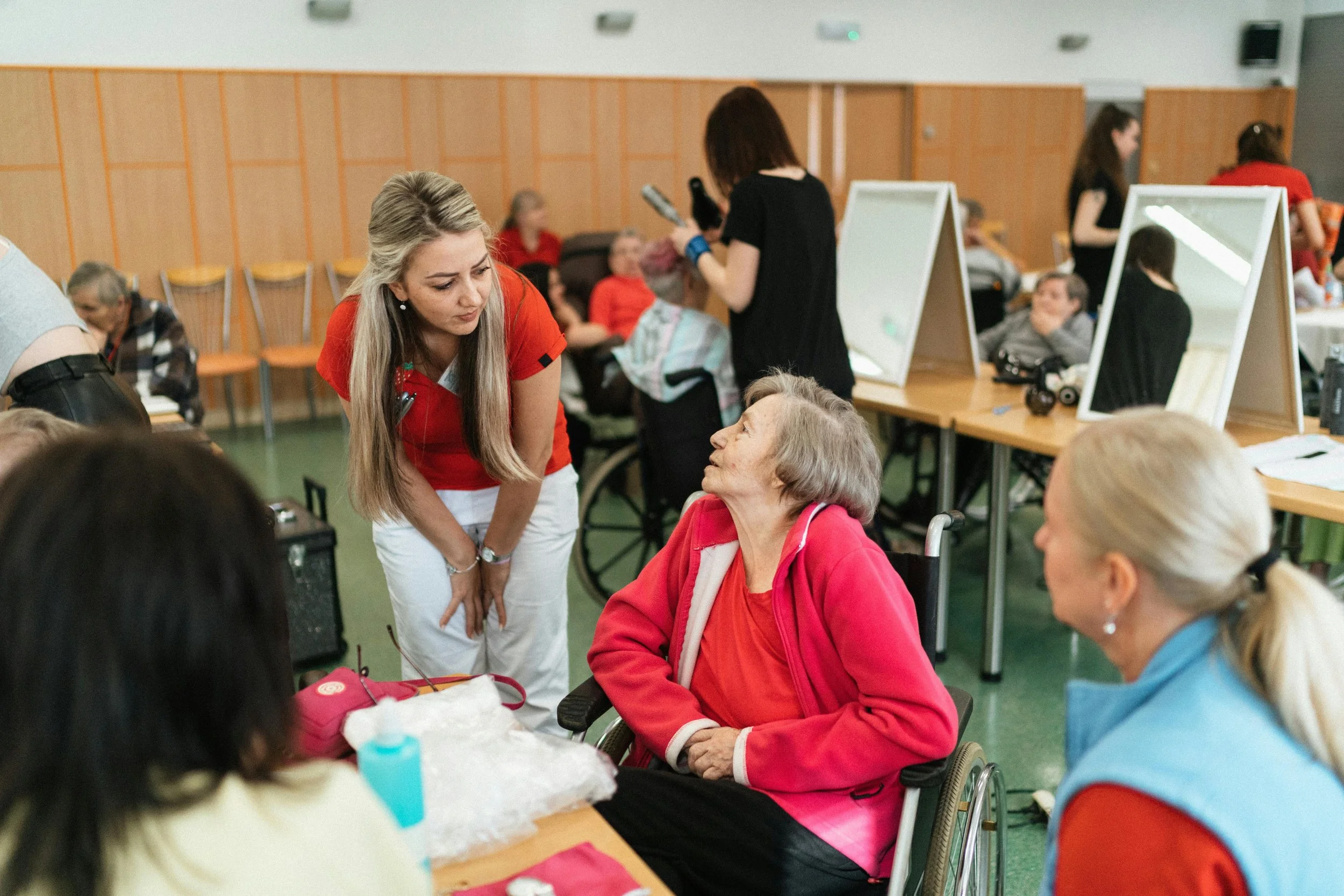

Advancing Senior Care with Innovative Medical Technologies

Image from Freepik

In the realm of senior care, the introduction of innovative medical technologies in assisted living facilities is revolutionizing the way caregivers and health professionals manage the health and well-being of seniors. These technologies not only improve mobility and reduce pain but also significantly enhance the overall quality of life for seniors. This article explores several key technologies that are making a difference in assisted living environments.

Wearable Activity Trackers

One of the cornerstone technologies in modern senior care is wearable activity trackers. These devices are pivotal in monitoring the physical activity and health metrics of seniors. By wearing these devices, seniors can receive real-time feedback on their physical activities, which encourages more movement and helps maintain their mobility. Moreover, these trackers alert caregivers to any significant changes in activity patterns, such as a decrease in movement or irregular heart rates, which could be early indicators of health issues. This immediate feedback allows for prompt interventions, potentially preventing more severe health outcomes.

Virtual Reality Therapy

Virtual reality (VR) therapy is another groundbreaking technology that offers multiple benefits. Through immersive experiences, VR can aid in physical therapy regimens that are crucial for pain management. The sensory stimulation provided by VR can help distract the brain from pain signals, providing a non-pharmacological method to manage discomfort. Furthermore, VR can transport seniors to different worlds, reducing feelings of loneliness and isolation by connecting them with virtual environments and activities. Whether it's revisiting familiar places from their youth or exploring new territories, VR has the potential to greatly improve mental health and overall well-being.

Shockwave Therapy

A shockwave therapy machine is another advance in medical technology with significant benefits for pain management. These devices use shock waves to stimulate healing in injured or degenerated tissue, effectively managing a variety of conditions without invasive procedures. Shockwave therapy can be particularly beneficial for conditions like chronic tendon injuries or inflammation, providing relief and promoting recovery. This technology offers a safe alternative to traditional pain management strategies, which often rely heavily on medication.

 Telemedicine Platforms

Telemedicine platforms are critical in today's healthcare landscape, especially in senior care. These platforms facilitate remote consultations with physicians, which is particularly beneficial for residents with limited mobility. By reducing the need for physical transport to medical facilities, telemedicine not only makes healthcare more accessible but also less disruptive to the daily lives of seniors. It allows for quicker responses to medical inquiries and more frequent monitoring of chronic conditions, ensuring that seniors receive timely and efficient care.

Automated Medication Dispensers

Automated medication dispensers are vital in managing the complex medication schedules many seniors must adhere to. These devices ensure the accurate dosing and timing of medication, reducing the risk of human error. By automating this process, caregivers can spend more time on direct patient care and less on administrative tasks. Furthermore, these dispensers can alert staff and residents when medications are due, thus maintaining strict adherence to prescribed treatment plans, which is crucial for managing chronic illness.

Advanced Bed and Seating Solutions

In an environment where many seniors spend considerable time seated or in bed, advanced bed and seating solutions play a crucial role. These specialized beds and chairs automatically adjust to provide optimal support and comfort, helping to prevent conditions such as bedsores and improving circulation. This not only helps reduce pain but also enhances the quality of rest and relaxation, crucial elements of a good quality of life.

Advanced Bed and Seating Solutions

In an environment where many seniors spend considerable time seated or in bed, advanced bed and seating solutions play a crucial role. These specialized beds and chairs automatically adjust to provide optimal support and comfort, helping to prevent conditions such as bedsores and improving circulation. This not only helps reduce pain but also enhances the quality of rest and relaxation, crucial elements of a good quality of life.

Environmental Control Systems

Environmental control systems in assisted living facilities can significantly enhance the living environment for seniors. These systems, which can be voice-activated or simplified for ease of use, control various aspects of the environment such as lighting, temperature, and entertainment. By enabling seniors to manage their surroundings with minimal assistance, these technologies promote a sense of independence while improving their overall comfort and satisfaction with their living conditions.

By integrating innovative technologies like shockwave therapy and virtual reality therapy into assisted living facilities, we can ensure that seniors not only live safer and more comfortable lives but also enjoy greater independence and dignity in their later years. These technologies are not just tools for managing health but are fundamental to transforming the experience of aging, making senior care more effective, compassionate, and responsive to the needs of older adults.

Article Written by Jim McKinley

Understanding the Power of Attorney for Seniors.

Image from Pexels

Greetings residents, families, and staff,

Welcome to the latest edition of the Quality Care of Howell newsletter. As we continue our commitment to keeping you informed and engaged, this issue delves into a crucial topic affecting many seniors and their families: Power of Attorney.

Understand Power of Attorney (POA)

Power of Attorney is a legal document that grants an individual or organization the authority to act on behalf of another person, typically when they are unable to make decision for themselves. This authority can encompass various areas, including financial, medical, and legal matters. For seniors, especially those residing in assisted living communities, having power of Attorney in place is essential for ensuring their well-being and protecting their interests.

Types of Power of Attorney

There are different types of Power of Attorney, each serving specific purpose:

1.       Financial Power of Attorney: This grants someone the authority to manage the financial affairs of the senior, such as paying bills, managing investments, and handling real estate transactions.

2.       Medical Power of Attorney: Alson known as a healthcare proxy, this grants someone the authority to make medical decisions on behalf of the senior if they become incapacitated or unable to communicate their wishes.

3.       Durable Power of Attorney: This type remains in effect even if the senior becomes incapacitated. It is particularly important for ensuring that someone can continue to manage the seniors’ affairs if they are no longer able to do so themselves.


Importance of Planning Ahead


Having a Power of Attorney in place is crucial for seniors and their families to plan for the future and navigate unexpected circumstances. It provides peace of mind knowing that there is someone trusted to make decisions in the senior’s best interests.


How Quality Care of Howell Can Help


At Quality Care of Howell, we understand the importance of Power of Attorney for our residents. Our team is available to provide guidance and support to resident’s families in navigating the process of establishing Power of Attorney. Whether it’s connecting you with legal resources or answering questions about the process, we’re here to assist every step of the way.


In Conclusion


As we age, planning for the future becomes increasingly important. Establishing Power of Attorney ensures that seniors have trusted individuals who can advocate for them and make decisions on their behalf when needed. If you have any questions or concerns about Power of Attorney, please don’t hesitate to reach out to our team.

Exploring the Rich History of Howell Michigan

Dear Residents, Families, and Friends of Quality Care of Howell, as we embrace the vibrant community that surrounds us, we embark on a journey through time to explore the fascinating history of the city we call home: Howell, Michigan. Nestled in the heart of Livingston County, Howel boasts a rich tapestry of heritage, culture and resilience that continues to shape its identity today.

A Glimpse into the Past

Founded in 1834 by George T. Sage, Jon D. Pinckney, James Sage and David Austin, while working with Flavius J. B. Crane and Edward Brooks, Howell was developed into a village, named after Thomas Howell. While the village of Howell was under construction it was known as Livingston Center. On March 4, 1863, legislation passed an act allowing Howell to become a township, which consisted of section 35 & 36 of Livingston County, as well as the lower sections of 25 & 26 being part of what they dubbed Howell Township.

A Flourishing Community

Throughout the 19th century, Howell flourished as a bustling hub of commerce, culture and community. The first housing constructed in Howell, was built by John D. Pinckney, which was a log house in 1835. Later a two-story frame house as built and became the first public house named Eagle Tavern was ran by Mr. Amos, who was also considered to be the first settler of Howell. As more and more buildings were erected so were mills, bringing in the manufacturing enterprise along Thompson Lake are in 1836.

The years downtown Howell, characterized by its picturesque courthouse square and historic architecture, became a center of activity hosting markets, fairs, and social gatherings. The arrival of the railroad in the 1870s further propelled Howell’s growth, facilitating the transportation of Pioneer goods and people to and from neighboring cities.


A Legacy of Resilience


Like many communities across America, Howell faced it’s share of challenges and triumphs in the 20th century. From economic downturns to wartime sacrifices, the resilience of Howell’s residents persevered, laying the foundation for a bright and prosperous future. The spirit of innovation collaboration that defined Howell’s early years continues to thrive, shaping the city into a vibrant and inclusive community it is today.


Preserving Heritage, Embracing Diversity


As stewards of Howell’s rich history, we recognize the importance of preserving our heritage while embracing the diversity that enriches our community. From historic landmarks to cultural celebrations, Howell offers a wealth of opportunities to explore, learn and connect with our shared past.


Discovering Howell Today


Today, Howell stands as a testament to the enduring sprit of it’s residents and the enduring values of community, resilience and progress. From its charming downtown district to its picturesque parks and recreational facilities, Howell offers a quality of life that is second to none.


Quality Care of Howell

At Quality Care of Howell, we are honored to be part of such a storied and vibrant community. As we continue to provide compassionate care and support to our residents, we remain committed to preserving the legacy o Howell and fostering a sense of belonging for all who call our facility home.

Establishing Stability: The Crucial Role of Routines for Seniors with Dementia.

Warm greetings to each of you as we navigate the changing seasons together at Quality Care of Howell. In this edition of our newsletter, we delve into an essential aspect of our commitment to the well-being of our residents: the significance of routines for seniors living with dementia. Understanding the challenges our residents face, we aim to shed light on a positive impact a structured routine can have on their daily lives.

The Power of Routine in Dementia Care.

Seniors living with dementia often experience cognitive delice that can disrupt their sense of time and place. Establishing and maintaining a consistent routine is a powerful individuals facing these challenges.

Benefits of a Structured Routine:

1.        Reduced Anxiety: Predictability in daily activities can significantly reduce anxiety and confusion, providing a sense of security for our residents.

2.        Improved sleep patterns: a well-structured routine helps regulate sleep-wake cycles, promoting better and more restful sleep for our residents.

3.        Enhanced Cognitive Functions: Following a routine an stimulate cognitive functions, helping seniors maintain a better grasp on daily tasks and activities.

4.        Increased Independence: Predictable routines empower residents, fostering a sense of independence and accomplishment in their daily lives.

5.        Better Physical Health: Regular meal ties and structured activities contribute to healthier eating habits and overall physical well-being.

Creating Personalized Routines.

At Quality Care of Howell, our dedicated team recognizes the unique needs and preferences of each resident. We work closely with families to design personalized routines that align with individual interests, abilities, and past experiences, whether it’s incorporating favorite hobbies, arranging social activities, or ensuring consistent mealtimes, our goal is to create an environment that feels familiar and comforting.

Tips for Establishing Effective Routines:

1.        Consistency is Key: Stick to a consistent daily schedule, including waking up, meals, and activities, to create a reliable and predictable environment.

2.        Balance Rest and Activity: Structure the day to include a balance of restful periods and engaging activities to prevent fatigue and encourage mental stimulation.

3.        Flexibility with Patience: while consistency is crucial, it’s also essential to remain flexible and patient. Be attuned to residents’ cues and adjust routines as needed.

4.        Communication is Vital: Regular communication with families and caregivers ensures that the routine is tailored to meet the evolving needs and preferences of our residents.

Quality Care of Howell Initiatives:

In our commitment to promoting a supportive environment, Quality Care of Howell is excited to introduce a new initiative focusing on routine-based activities. From morning exercises and sensory stimulation sessions to themed social gatherings, these activities aim to enhance the daily lives of our residents.

Join Us in Creating a Caring Community:

We invite family members and friends to actively participate in the development and execution of personalized routines. Your insights into the preferences and history of your loved ones contribute significantly to the success of our dementia care programs.

As we embrace the importance of routines, let us continue working together to create an environment where our residents with dementia feel secure, values, and engaged.