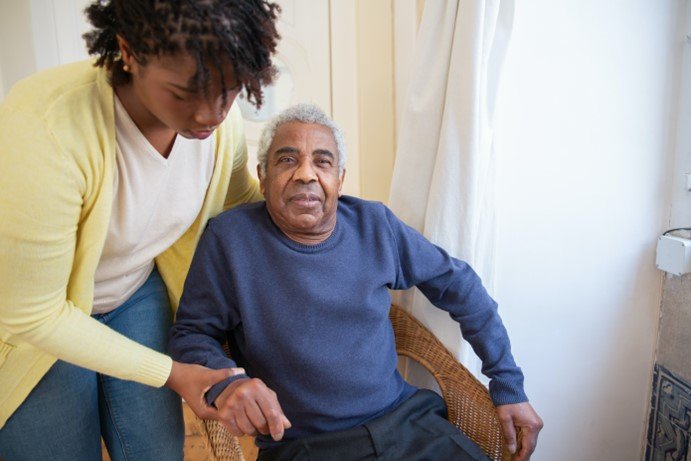
How Socialization Among Seniors is Important for Combatting Depression.

Photo from Pixels

We hope this newsletter finds you in good health and high spirits. At Quality Care of Howell - Assisted Living, we're dedicated to ensuring the well-being of our cherished residents. This month, we want to shed light on a topic of great importance - the role of socialization in combating depression among senior citizens. We've witnessed the transformative power of social connections, and we're excited to share this knowledge with you.

The Loneliness Epidemic:

Loneliness and social isolation can be detrimental to the mental and emotional health of seniors. Unfortunately, this issue has become an epidemic in recent years. The feeling of loneliness can lead to various mental health concerns, with depression being one of the most prevalent. Research has shown that seniors who experience social isolation are more likely to suffer from depression, anxiety, and cognitive decline.

Breaking the Cycle: Socialization as the Key:


The good news is that combating depression and loneliness is possible through meaningful socialization. At Quality Care of Howell, we recognize the importance of providing opportunities for our residents to connect with others and foster friendships. Here are some ways we promote socialization:

1. Daily Activities: Our activities calendar is filled with a variety of events, from arts and crafts to movie nights. These activities create an environment where residents can interact, share stories, and build friendships.

2. Group Outings: We organize regular outings to local parks, museums, and other attractions. These outings not only provide a change of scenery but also encourage residents to engage with their peers and the world around them.

3. Community Meals: Our dining room is not just a place to enjoy delicious meals; it's a hub of social interaction. Residents often gather to share a meal, fostering a sense of community and belonging.

4. Support Groups:  For those who may be struggling with emotional challenges, our support groups offer a safe space to connect with others facing similar experiences.

The Science Behind It:

Scientific studies have repeatedly highlighted the positive effects of socialization on mental health. When seniors engage in social activities, their brains release chemicals like oxytocin and endorphins, which promote feelings of happiness and reduce stress. Regular socialization also helps maintain cognitive function and memory, preventing the onset of conditions like dementia.

Our Commitment to You:

At Quality Care of Howell, we are dedicated to enhancing the quality of life for our residents. Our team works tirelessly to create an environment where socialization is not just encouraged but celebrated. We believe that building connections and fostering friendships can be the antidote to depression and loneliness.

Join Us in Celebrating Life:

We invite all residents, families, and friends to join us in our mission to combat depression among seniors through the power of socialization. Share your ideas for activities, reach out to fellow residents, and participate in our upcoming events. Together, we can create a vibrant and supportive community where every resident thrives. Thank you for entrusting us with the care of your loved ones. We look forward to a month filled with laughter, companionship, and the joy of connecting with one another.

Staying Hydrated: Nurturing Wellness in the Summer Months

Image from Pixles

Greetings to all our beloved residents, family members, and staff of Quality Care of Howell-Assisted Living! As the Warmth of summer envelops us we embrace the vibrant days and gentle evenings. With this season comes the necessity to focus on the essential aspect of health-hydration, especially for our cherished senior citizens. In this edition, we shed light on the importance of staying hydrated and share practical tips to nurture wellness throughout the summer months.

The Crucial Role of Hydration in Senior Health:

As we age, our bodies undergo changes that can affect the way we perceive thirst and handle water balance. Senior citizens are more susceptible to dehydration, which can lead to various health complications, including dizziness, confusion, urinary tract infections, and heat-related illnesses. Proper hydration is vital for maintaining overall well-being, promoting cognitive function, and supporting optimal organ function.

Recognizing Signs of Dehydration:

Identifying signs of dehydration is crucial, as early intervention can prevent further complications. Some common signs include:

  • Dry mouth and throat

  • Dark yellow urine and decreased frequency of urination

  • Fatigue and weakness

  • Confusion and dizziness

  • Headaches

If you or a loved one experience any of these symptoms, it’s essential to address them promptly.

Hydration Tips or a Cool and Healthy Summer:

At Quality Care of Howell, we prioritize the well-being of our residents and want to ensure that everyone stays hydrated and healthy throughout the summer. Here are some practical tips to achieve that:

  • Encourage Regular Fluid Intake: Encourage residents to drink water or other hydrating beverages regularly. Set reminders or place water bottles in easily accessible spots to prompt hydration.

  • Enjoy Nutritious Summer Foods: Include water-rich fruits and vegetables in meals and snacks. Watermelon, cucumber, oranges, and tomatoes are excellent choices to boost hydration level.

  • Limit Caffeine and Alcohol: Caffeinated and alcoholic beverages can contribute to dehydration. Encourage moderation and alternative choices such as herbal teas or flavored water.

  • Create a Refreshing Environment: Arrange communal areas with infused water stations, offering a variety of flavors like cucumber-mint or lemon-lime to make hydration more enjoyable.

  • Stay Cool Indoors: Avoid direct sunlight during peak hours and utilize fans or air conditioning to maintain a comfortable indoor temperature.

  • Dress Appropriately: Wear light and breathable clothing to minimize perspiration and aid in temperature regulation.

  • Engage in Indoor Activities: During the hottest hours, encourage indoor activities that are stimulating and enjoyable, such as games, arts and crafts, or movie screenings.

A Healthy and Hydrated Summer Awaits!

As we embark on this summer journey, let us remember that hydration is the key to preserving out health and vitality. At Quality Care of Howell, wea re committed to supporting each resident’s well-being and ensuring a comfortable and joyful stay. If you have any questions or concerns regarding hydration or any other aspect of senior car. Please do not hesitate to each out to our caring staff.

Wishing you all ha happy and hydrated summer!

The Importance of Staying Independent

Image from Pexels

As we age, it is important to stay independent. This can help us to maintain our quality of life and our sense of self-worth. Here are some tips for staying independent as a senior citizen:

  • Get regular exercise. Exercise can help to improve our strength, balance, and flexibility. It can also help to reduce our risk of falls and other injuries.

  • Eat a healthy diet. A healthy diet can help to improve our overall health and well-being. It can also help to reduce our risk of chronic diseases.

  • Get enough sleep. Sleep is important for people of all ages, but it is especially important for seniors. Sleep can help to improve our cognitive function, memory, and mood. It can also help to reduce our risk of accidents and injuries.

  • Stay socially connected. Social connection is important for people of all ages, but it is especially important for seniors. Social connection can help to improve our mental health and well-being. It can also help to reduce our risk of loneliness and isolation.

  • Learn new skills. Learning new skills can help to keep our minds active and engaged. It can also help us to feel more confident and capable.

  • Volunteer. Volunteering is a great way to give back to our community and to stay active. It can also help us to meet new people and to make new friends.

  • Take care of our finances. It is important to make sure that we are financially secure as we age. This means having a plan for retirement and making sure that we have enough money to cover our expenses.

  • Plan for long-term care. As we age, we may need long-term care, such as a nursing home or assisted living facility. It is important to plan for long-term care so that we are not caught off guard.

Here are some additional tips for staying independent as a senior citizen:

  • Set realistic goals. Don't try to do too much too soon. Start with small goals and gradually increase your activity level over time.

  • Find activities that you enjoy. If you don't enjoy an activity, you're less likely to stick with it. Find activities that you find challenging and rewarding.

  • Get help from family and friends. Ask your family and friends to support you in your efforts to stay independent. They can help you to find activities that you enjoy, and they can help you to stay motivated.

  • Don't give up. It's normal to have setbacks. Don't let setbacks discourage you. Just pick yourself up and keep going.

By following these tips, you can help to stay independent as you age. This can help you to maintain your quality of life and your sense of self-worth. In addition to the tips above, there are a number of resources available to help seniors stay independent. These resources can provide information, support, and assistance. Some of these resources include:

  • Government programs: The government offers a few programs that can help seniors stay independent. These programs can provide financial assistance, home care services, and transportation services.

  • Non-profit organizations: There are several non-profit organizations that provide services to help seniors stay independent. These organizations can provide information, support, and assistance with a variety of needs, such as transportation, housing, and health care.

  • Senior centers: Senior centers offer a variety of programs and services that can help seniors stay active and engaged. These programs can include social activities, classes, and health screenings.

  • Family and friends: Family and friends can play a vital role in helping seniors stay independent. They can provide support, companionship, and assistance with tasks such as grocery shopping and transportation.

By taking advantage of the resources available, seniors can continue to live independently and enjoy their golden years.

Alzheimer’s: Facts and Resources to Help Families Better Understand the Disease

Photo from Pixels

Alzheimer's disease is a progressive brain disorder that causes memory loss and other cognitive decline. It is the sixth leading cause of death in the United States and the most common cause of dementia.

There is no cure for Alzheimer's disease, but there are treatments that can help to slow the progression of the disease and improve the quality of life for people with Alzheimer's and their caregivers.

Here are some of the signs and symptoms of Alzheimer's disease:

  • Memory loss: Difficulty remembering recent events, names, and faces.

  • Confusion: Difficulty thinking clearly, making decisions, and solving problems.

  • Changes in personality: Becoming more withdrawn, irritable, or aggressive.

  • Trouble with language: Difficulty finding words, speaking clearly, or understanding what others are saying.

  • Problems with vision, judgment, and balance: Difficulty seeing clearly, making good decisions, and maintaining balance.

If you or someone you know is experiencing any of these signs or symptoms, it is important to see a doctor for diagnosis and treatment.

There are a number of things that can be done to help people with Alzheimer's disease and their caregivers:

  • Get a diagnosis: The sooner Alzheimer's disease is diagnosed; the sooner treatment can be started.

  • Get support: There are several support groups available for people with Alzheimer's disease and their caregivers. These groups can provide emotional support, information, and practical advice.

  • Stay active: People with Alzheimer's disease should stay as active as possible. This can help to slow the progression of the disease and improve the quality of life.

  • Get help with daily tasks: As Alzheimer's disease progresses, people may need help with daily tasks such as bathing, dressing, and eating. Caregivers can provide this help.

  • Make legal and financial arrangements: People with Alzheimer's disease may need to make legal and financial arrangements, such as creating a will and appointing a power of attorney.

  • Plan for long-term care: As Alzheimer's disease progresses, people may need long-term care, such as a nursing home or assisted living facility. It is important to plan for long-term care so that it is not a burden on family and friends.

Alzheimer's disease is a challenging disease, but there are ways to help people with Alzheimer's disease and their caregivers. By getting a diagnosis, getting support, staying active, getting help with daily tasks, making legal and financial arrangements, and planning for long-term care, people with Alzheimer's disease and their caregivers can live as full and meaningful lives as possible.

In addition to the tips above, there are a number of resources available to help people with Alzheimer's disease and their caregivers. These resources can provide information, support, and assistance.

Some of these resources include:

  • The Alzheimer's Association: The Alzheimer's Association is a national organization that provides information, support, and assistance to people with Alzheimer's disease and their caregivers.

  • The National Institute on Aging: The National Institute on Aging is a federal agency that provides information and funding for research on Alzheimer's disease.

  • State and local Alzheimer's organizations: Many states and localities have Alzheimer's organizations that provide information and support to people with Alzheimer's disease and their caregivers.

  • Online resources: There are a number of online resources that provide information, support, and assistance to people with Alzheimer's disease and their caregivers.

Local Resources:

Alzheimer’s Association: Michigan Chapter

  • 24-hour line 800-272-3900

  • Michigan Chapter Headquarters: 248-351-0280

Brighton Lewy Body Dementia Support Group

  • 2/42 Community Church 734-764-5137

7526 Grand River Ave

Brighton MI 48114

Livingston County Catholic Charities

  • 517-545-5944

2020 E. Grand River

Howell MI 48843

By taking advantage of the resources available, people with Alzheimer's disease and their caregivers can get the help they need to live as full and meaningful lives as possible.